

Good questions to ask contractor references cover budget, schedule, communication, crew behavior, and whether they’d hire the contractor again. Then keep asking follow-up questions until you hear something that isn’t a compliment. That last part is where the real information is.
Most homeowners skip reference calls entirely, and the ones who do call treat it as a formality. They ask “were you happy?”, hear “yes, they were great,” and hang up. That call was worthless. The contractor handed you their happiest customers on purpose, so confirming they’re happy tells you nothing you didn’t already know.
A reference check is a 15 minute phone call with someone who already hired this contractor. Done well, it tells you more than a portfolio, a website, or a page of online reviews, because you get to ask follow-up questions and the person answering has nothing to sell you.
Here at GreatBuildz, a free service that connects homeowners throughout California with reliable, thoroughly screened general contractors, we call 3 to 5 past clients for every contractor before they get into our network. The questions below are the ones our remodeling advisors actually use on those calls, along with what we’re listening for in the answers.
The 15 Questions to Ask Contractor References
- How did you find this contractor?
- Did you get other bids? Why did you choose this one, and how did the estimates compare?
- When did the contractor work for you, and is the project completely finished?
- What type of work was done?
- Did you live in the house during the project?
- How did you feel about the crew and the subcontractors? Was the site cleaned up each day, and did they work consecutive days?
- Did the contractor run your project personally, or did you get a project manager?
- How was communication? Were they responsive, and on which channels?
- Did the project pass inspections without issues?
- Were there surprises during the project, and how did the contractor handle them?
- Did the project finish on schedule? If not, why not?
- Did it come in on budget? Were there change orders, and how did that process work?
- Is there anything you wish the contractor had done differently or better?
- Would you use them again, and have you actually referred them to anyone?
- Is there anything else you think I should know?
The rest of this article covers what a good answer sounds like for each one, and where to push when you get a vague reply.

How Many Contractor References Should You Ask For?
Ask the contractor for at least three references, and be specific about which ones you want: one project currently in progress, one that finished recently, and one that finished at least six months ago. That older reference matters most. It’s the only one who can tell you whether the work held up, whether anything cracked or leaked after the crew left, and whether the contractor came back to fix it without an argument.
If a contractor can only produce references from jobs still underway, that’s a problem worth asking about directly.
How They Found and Chose the Contractor
1. How did you find this contractor?
2. Did you get other bids? Why did you choose this one, and how did the estimates compare?
These two warm the reference up, but question 2 does real work. You’ll often learn more about the contractor’s estimating from a past client than from the estimate sitting in front of you.
One homeowner told us she picked her contractor even though he wasn’t the cheapest, because the cheaper bids were vague about what was included. Her contractor walked her through what she’d spend on appliances and materials on top of his number. The cheap bids would not have stayed cheap. That’s the kind of detail you want, and it’s useful context when you’re comparing contractor bids of your own.
The Project Itself
3. When did the contractor work for you, and is the project completely finished?
4. What type of work was done?
5. Did you live in the house during the project?
You’re checking whether this reference is relevant to you. A contractor who nailed a bathroom remodel hasn’t proven anything about your addition, and a reference from four years ago says little about the crew working today.
Question 5 is more useful than it looks. If the homeowner lived onsite, they saw everything: what time the crew arrived, whether the dust was contained, whether the house was livable at 6pm.
The Crew and the Jobsite

6. How did you feel about the crew and the subcontractors (the specialty trades like plumbers and electricians the contractor hires)? Was the work area cleaned up at the end of each day? Did they show up on time and work consecutive days?
7. Did the contractor run your project personally, or did you get a project manager? How often was each of them on site?
“Consecutive days” is the single most common source of homeowner frustration, and it rarely comes up until you ask. Crews that disappear for four days without explanation drag a 10-week project into 16 weeks.
On question 7, push for a number. “He was always around” is a compliment. “He was on site two or three times a week, and his foreman was there every day” is information. If the reference can’t tell you who ran the job day to day, that’s your answer.
Communication and Problems
8. How was communication? Were they responsive? Better on any particular channel, like text versus email?
9. Did the project pass inspections without issues?
10. Were there surprises during the project, and how did the contractor handle them?
Question 10 is the one people answer too quickly. “No, no surprises” usually means the job was small or the homeowner wasn’t paying close attention. Something goes wrong on nearly every renovation: rot behind a wall, a plan that doesn’t match the engineering, a window that arrives a half inch off. Push a second time. Ask, “Nothing at all came up once they opened the walls?” The story you get is worth the whole call, because how a contractor handles the bad week is the thing you’re actually buying.
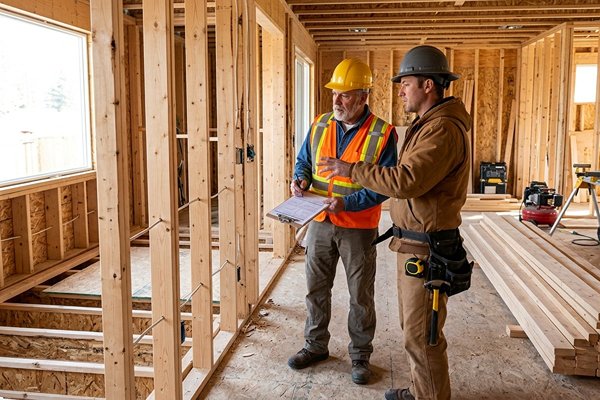
On inspections, a contractor who passes the first time is saving you weeks. One reference, a retired contractor himself, told us the city inspector on his job kept commenting on how clean the framing was. A single failed inspection can stall a job while you wait for the inspector to come back, and that delay costs you.
Schedule, Budget, and Value
11. Did the project finish on schedule? If not, why not?
12. Did it come in on budget? Were there change orders, and how did that process work? Do you feel you got good value for the quality?
A change order is a written amendment to your contract covering work that wasn’t in the original scope, with the added cost spelled out before it happens. You want to hear that they existed and that they were priced in writing before the work started.
Over budget isn’t automatically a red flag. Ask who caused it. If the homeowner changed their mind on appliances and tile halfway through, that’s normal and it’s on them. If the contractor found things during construction that a careful bid should have caught, that’s a different conversation, and it’s the answer that predicts what will happen to your budget.
The Two Questions That Matter Most
13. Is there anything you wish the contractor had done differently or better?
14. Would you use them again? And have you actually referred them to anyone?
Question 13 is the one our advisors get the most out of. Phrasing it as a wish rather than a complaint gives a satisfied client permission to be honest. Even people who loved their contractor will name something: a communication habit, a subcontractor who wasn’t as strong as the rest, a stage of the project where they felt out of the loop. None of that means don’t hire. It means you’ll know what to watch and can set expectations before you sign.
On question 14, the second half is the real test. Plenty of people will say “sure, I’d use them again” to be polite. Far fewer have put their own reputation on the line by sending a friend. If the reference has already referred this contractor to someone they know, that’s the strongest signal you’ll get on the entire call.
One Last Question
15. Is there anything else you think I should know?
Then stop talking. Most people fill a silence, and what comes out is usually the thing they were deciding whether to mention.
Red Flags to Listen For on a Reference Call
- The contractor is slow, reluctant, or vague about producing a reference list
- Every reference is a job still in progress, with nothing completed
- The reference gives superlatives with no specifics and can’t describe the actual project
- They can’t name who supervised the work day to day
- They hesitate on “would you use them again,” or answer it with a qualifier
- The reference describes surprises that got resolved verbally, with nothing in writing
What to Do With What You Hear

Reference calls take maybe 15 minutes each, and three of them will tell you more about a contractor than any website, portfolio, or online review. Reviews are written by people in one of two moods. A reference call is a conversation you steer.
Do this alongside the other checks, not instead of them: verify the license on the Contractors State License Board website at cslb.ca.gov, confirm the insurance is active, and get everything in a written contract. Our guide to hiring a contractor in California walks through the full sequence, and our list of questions to ask a contractor before hiring covers what to ask the contractor directly.
If making six phone calls to strangers isn’t how you want to spend your week, that’s the part we handle. We call 3 to 5 past clients for every contractor in our network, using the questions above, and we share what we hear in a written assessment report before you ever meet them. You can read more about how we vet contractors.
When it comes to home improvement, you shouldn’t have to go it alone – GreatBuildz is a free service that connects homeowners throughout California with reliable, thoroughly screened general contractors and provides project support from start to finish. To be matched with trusted, pre-vetted contractors in California, contact GreatBuildz today at 818.317.3567 or submit your project.
Frequently Asked Questions About Contractor References
What questions should I ask a contractor’s references?
Cover five areas: whether the project finished on schedule and on budget, how the contractor communicated, how the crew treated the property, what went wrong and how it was handled, and whether they would hire the contractor again. Then ask the two that get the most out of a reference: is there anything you wish the contractor had done differently, and have you actually referred them to anyone?
How many contractor references should I call?
Call at least three. Ask for a mix: one project currently in progress, one that finished recently, and one that finished at least six months ago. The older reference is the most valuable because they can tell you whether the work held up and whether the contractor came back to fix any issues.
What is the best question to ask a contractor’s reference?
“Is there anything you wish the contractor had done differently or better?” A contractor gives you their happiest clients, so asking whether they were satisfied gets you nothing. Framing it as a wish rather than a complaint gives even a thrilled homeowner permission to name the one thing that bothered them, which is exactly what you need to know before you sign.
What if a contractor won’t give me references?
Treat it as a serious warning sign. Any contractor with a track record has past clients willing to vouch for them, and most are glad to share the list. Reluctance, delays, or an offer of only in-progress jobs usually means there’s something in the finished work they’d rather you not hear about.
Should I visit a reference’s home in person?
If they offer, take them up on it. Seeing finished work in person tells you things a photo can’t: whether the tile lines up, whether the trim is straight, whether the finishes still look good a year later. Many homeowners are happy to show off a remodel they’re proud of, so it’s worth asking near the end of the call.
Is it rude to ask a contractor for references?
Not at all, and any established contractor expects it. Asking for references is a normal part of hiring someone for a project worth tens of thousands of dollars, and most good contractors are proud of the clients they can point you to. A contractor who treats the request as an insult is telling you something useful.
How do I know a contractor’s references are real?
Ask questions only a real client could answer: what the crew did about dust, who ran the job day to day, what the permit process was like, how change orders were handled. Someone doing a favor gives short, general praise and cannot describe the project. Asking to see the finished work in person is another quick way to confirm the job was real.


